As you follow along, remember that our qualified writers are always ready to help in any of your nursing assignments. All you need to do is place an order with us! (Health And Wellness Essay)
Disclaimer: This is a sample essay written by a student and not one of our professional nursing writers. It is meant to be used as just an example to other students.
Any opinions, findings, conclusions, or recommendations expressed in this essay are those of the author and do not necessarily reflect the views of pro-essays.com. This essay should not be treated as an authoritative source of information when forming medical opinions as information may be inaccurate or out-of-date.
Health And Wellness Essay
In my essay I will discuss how I will cater for my health and wellness ideologies, my definition of health and describe my beliefs about what health is. I will discuss three aspects of the dimensions of health and the factors which could affect my health, what determinants influence my health using the dimensions of health model and explain how I will use that model to assist in my goal towards achieving my optimal health wellness.
Being healthy and maintaining wellness means having a body that is in good shape to allow my ideologies of my life suited to the development of an excellent well-being through relationships the community in which I live. My wellness involves giving good care to my physical self, using my mind constructively, expressing my emotions effectively, being creatively involved with those around you, and being concerned about your physical, psychological and spiritual environment.
Wellness means more than not being sick; it means taking steps to prevent illness and to lead a richer, more balanced, and more satisfying life. The physical dimension of wellness deals with the functional operation of the body and involves health related components of physical fitness.
The people that surround me and my situational environment in its entirety assist me in making sound decisions in relation to my health. My wellness on the other hand I define as my choice to be responsible for the quality and value of for my life. l make conscious decisions to achieve a healthy lifestyle. I choose to make these conscious decisions by a learned throughout my life for which I value today.
My mind-set is that I have this powerful tool to use and a predisposition which is in place to lead a satisfying traditional health and wellness. A health & wellness modelled today by others within my society. Health and wellness was once characterised as the absence of disability or any form of disease.
This is a medical definition or a medical model. However this suggests and ultimately promotes that any person who has a disability cannot at all achieve wellness. However I believe I can achieve wellness if I would opt to function responsibly for improving myself. I am looking at me as the whole, for my health and wellness, refers to the interconnection my body, mind and soul.
My engagement in the form of physical activity, exercise, recreation, physical health and wellness also considers one’s possible involvement with drug abuse, tobacco usage, and alcohol addiction. Another dimension addresses good mental and emotional health in performing one’s daily and specialized activities. This includes continually feeding my mental faculty to acquire more knowledge.
Task two
I believe health is a unified system of personal performance that is concerned with making the most of the potential to maintain a better health and wellness. This potential requires me to sustain a range of balances and a focused track of ideologies within my environment in which I need to function to maintain homeostasis. Here I will discuss using the dimensions of health model key factors that affect my health.
I identify with Edlin and Golantry’s health wellness model, holistic health. Using my surroundings, my environment that I live in to maintain my boundaries within my lifestyle and objects and people that surround me to help make me complete with a prospective health wellness. By involving a holistic approach with faith and hope I incorporate my moral beliefs, a moral grounding “my learned” from my upbringing. I use this as a guide to perform tasks on my mental stability, a feel good approach to wellness.
I am emotional and sensitive towards others. My emotional approach I use to support my partner and everyone that crosses my path that are in need of help. Whereas my partner supports what I need to maintain in the practical sense of issues that surround my health and wellness, my physical support. The positive reasoning is that I feel good when those I care about feel good and I have made a difference in their lives.
My partner is my rock, my soul mate a stable being in my life that I need to keep me grounded and on task for life’s events that may arise such as undue stressors. Thus maintaining stability mentally I can function on other areas where strength is needed to maintain health & wellness within myself as a living soul physically. Without mental stability I feel it would hinder my ability to function on all other levels to maintain an overall stable health wellness.
As you continue, customnursingassignments.com has the top and most qualified writers to help with any of your assignments. All you need to do is place an order with us. (Health And Wellness Essay)
Health And Wellness Essay
My social stance in the community I believe makes me a holistic being, using the holistic social approach I utilise people from other cultures and genders to meet a standard of need for care and understanding of myself. Understanding my needs and necessities in life leaves no one left out and felling isolated.
I am active and expressive in my thoughts spiritually I make my feelings and thoughts obvious and where I don’t understand I ask, therefore putting these feelings into thoughts and becoming spiritually aware of my beliefs helps me understand. Becoming more of a helper and trusting within a human care relationship. Encompassing my spirit for strength in times of guidance the same guidance I can use to help maintain my health wellness using expressive, positive and negative feelings within a supportive, protective, and counteractive mental, physical, societal, and spiritual environment.
My faith helps me to identify my purpose in life; helps me to learn how to experience love, joy, peace and fulfillment. The ability to laugh, to enjoy life, to adjust to change, to cope with stress, and to maintain intimate relationships are examples of the emotional dimension of wellness. My family, my pets, my friends keeps me laughing and they bring so much joy to my life. I am maintaining the weight that I want to me, I am eating an even more balanced diet and I am abstaining from any and everything that is harmful to my body and I am definitely staying physically active.
In my life I have always had ways to deal with the stress of this life with the help of God, my family, my church family, my friends and even when there is no one around just sitting there holding my cat seems to take away some of my anxiety. The environmental dimension of wellness deals with preservation of natural resources as well as protection of plant and animal wildlife. I am very satisfied with my current lifestyle choice.
You have to laugh to keep from crying is so true. Every day you are bombard with so much from this world and if you do not have an outlet or a way to deal with stress, this world can literally drive you crazy. Well I have no problems in that area, being that I have to study everyday since I am in college. Spiritual dimension of wellness involves the development of one”tms inner self and one”tms soul. Much of my life will be spent at work when I do get out into my career field and I will have to maintain a balance between work time and leisure time.
You know that saying “A mind is a terrible thing to waste” and if you don”tmt use your mind it will atrophy. I am taking steps to increase my flexibility level but incorporating it into to my morning devotion and my evening devotion and before and after I do any work in my yard, before and after I go walking or jogging with my family and my dog. And this is where the physical, emotional, social, intellectual spiritual dimension of wellness will help me to deal with the stress of working in the health care field.
Related FAQs
1. What are the essay about health and wellbeing?
Essay about Health and Wellbeing 1 The Social Determinants of Health and Wellbeing. Social Determinants of Health & Wellbeing. … 2 Improving The Health And Wellbeing Of An Individual. … 3 Health And Wellbeing Of Indigenous People. … 4 Occupational Therapy, Health and Wellbeing
2. What does wellness mean to you?
The world health organization defines health as a state of complete mental, social and physical wellbeing and is not merely the absence of infirmity or disease (WHO, 1946). The Alliance institute of integrative medicine defines wellness as a much more than just a state of physical health.
3. How important is health and wellness in our daily life?
In concluding this essay, we note that our health and wellness is of utmost importance and needs to be consciously considered in all decisions that we make. In deciding what to eat, what to wear, where to go and what to do, we must consider the health implication of any of these activities.
As you continue, customnursingassignments.com has the top and most qualified writers to help with any of your assignments. All you need to do is place an order with us. (Health And Wellness Essay)
Health And Wellness Essay
4. What are the dimensions of Health and wellness?
There are several dimensions of health and wellness and these include social, physical, spiritual, intellectual as well as emotional wellness/health. On the social front, we should be able to relate well with others in all situations and should not exhibit any antisocial behaviors’.
As you follow along, remember that our qualified writers are always ready to help in any of your nursing assignments. All you need to do is place an order with us! (Case Study for Occupational Therapy)
Disclaimer: This is a sample essay written by a student and not one of our professional nursing writers. It is meant to be used as just an example to other students.
Any opinions, findings, conclusions, or recommendations expressed in this essay are those of the author and do not necessarily reflect the views of pro-essays.com. This essay should not be treated as an authoritative source of information when forming medical opinions as information may be inaccurate or out-of-date.
Case Study for Occupational Therapy
Case profile
The client:
Tim* was a ten-year-old male with no formal diagnosis.
Previous relevant medical history:
Tim was born at 35 weeks and remained in intensive care for six months post birth. This is relevant as a pre-term birth increases the risk of delayed neurodevelopment (Schieve et al., 2016) with a recent study also suggesting that functional limitations in activities of daily living (ADLs) “do not appear to self-correct and could lead to poorer educational attainment” (Killeen et al., 2014, p.304) in children who were born pre-term.
There are no other aspects from the details provided of Tim’s medical history which were relevant to the occupational therapy process.
Family status:
Tim was an only child. Tim’s mother was on leave from her job as a nurse as she was undergoing treatment for early stage breast cancer of which the prognosis was quite positive (Harbeck and Gnant, 2017), however this did cause Tim’s mother acute fatigue. Tim’s father was employed on a full-time basis by a local construction company. The family was not in receipt of formal support within the home at the time. Tim often was required to assist in the running of the home, e.g. completing household chores.
School:
Tim attended a local primary school with fewer than forty children in attendance overall. Tim’s mother noted in the referral form that Tim did not receive formal support within the school, e.g. resource hours, however, as the class was small, the class teacher was able to provide Tim with increased assistance as required.
Leisure:
Tim enjoyed playing football after school with the local club and travelled to training with a friend who lived nearby however he often missed football training due to time spent completing homework tasks. Tim also enjoyed drawing pictures.
Reason for referral to occupational therapy:
After discussion with Tim’s parent’s and with their informed consent, the class teacher referred Tim to occupational therapy. The class teacher identified concerns relating to Tim’s motor skill development and handwriting ability.
Parental concerns as identified on the referral form (in order of priority):
Tim’s handwriting was illegible and his speed of production was very slow. This was preventing him from participating adequately in class activities which he enjoyed, e.g. story writing.
Tim was unable to tie the small buttons on his school shirt.
Tim had difficulty completing drawing tasks, which he enjoyed, due to hand fatigue.
Model of Practice
The model of practice chosen was the Person – Environment – Occupation and Performance model (PEOP, Baum, Bass-Haugen and Christiansen, 2005). The PEOP model is a client-centered model, which links with current occupational therapy practice guidelines outlined in the Occupational Therapists Registration Board Code of Professional Conduct and Ethics Bye-law 2014 that emphasise client-centred practice as central to occupational therapy.
However, in the context of the approach to Tim’s care, “family-centred care, which recognizes the importance of including the family in a child’s care [and] is currently the most well-established approach to health service delivery for children” (Hayles et al., 2015, p.1) must also be applied, which using the PEOP allows for, due to the model’s design (Lee, 2010).
The model also considers the family, which in Tim’s case is a hugely influencing factor on the occupational therapy process and how they can act as facilitators or barriers to Tim’s occupational performance (Baum, Bass-Haugen and Christiansen, 2005).
A primary reason for choosing the PEOP model was that it allowed for service requirements to be met whilst ensuring that the therapist maintained an occupational perspective (Joosten, 2015, p.221). Models such as the Model of Human Occupation (MOHO, Kielhofner, 2008) are process-based and are based upon the theory that changing a client’s intrinsic factors will cause an improvement in occupational engagement (Wong and Fisher, 2015).
The PEOP model is a ‘top-down’ model but it also allows for analysis of the underlying factors (i.e. person factors and environment factors) which contributed to the limitations in occupational participation (Wong and Fisher, 2015); thus enhancing the therapist’s knowledge of the nature of the occupational problem, whilst also allowing the occupational therapist to adhere to service requirements which dictated a need for the assessment of performance components.
The occupational therapist could then apply the knowledge of the performance components, e.g. Tim’s in-hand manipulation skills, to enrich the therapists overall image of the context of Tim’s participation in occupation. This subsequently allowed for occupation-focused goals to be collaboratively set with the client.
Initial assessment
Location of assessment: A quiet, distraction-free room within the service. Chair and table supplied to Tim were like those used in Tim’s classroom at school.
People present: Tim, Tim’s father and the occupational therapist.
Behaviour during assessment: Tim was polite, well-mannered and motivated to engage, even with tasks he found difficult. Tim was eager to please and followed instructions as asked. He maintained adequate concentration for the duration of the assessment but did pause frequently to stretch his hands, reporting that they were “tired”, which increased the testing period considerably.
Description
Results/ interpretation
Prior to conducting the initial assessment session (as Tim did not have a case file available to the service or input from other members of the multi-disciplinary team) a phone call was made to Tim’s father to elaborate on the concerns noted in the referral form.
He reported that the concerns listed were still accurate and that him or his wife had no concerns regarding Tim’s performance in social occupations, self-care occupations or Tim’s performance in activities requiring gross-motor skills.
Tim’s father reported that Tim’s mother was currently quite unwell and would not be able to participate in the occupational therapy process at present.
Tim’s father reported that as Tim’s mother was ill and he worked late in the evening, Tim often completed household tasks such as washing the dishes or doing the laundry but that he had not practice handwriting tasks supervised at home over the past year.
Tim’s father also stated that Tim could be completing homework until he returned from work, approximately four hours after Tim would begin his homework. This worried Tim’s father as Tim often missed football training, an important source of social support and leisure (Baum, Bass-Haugen and Christiansen, 2005) to Tim during the emotionally difficult period imposed by his mother’s illness. Tim confirmed this later during the initial assessment session and stated he did so as he did not want to get in trouble in school for not having his homework completed.Tim’s father gave informed consent to ring the class teacher for discussion regarding Tim’s school performance.
Assessment of Tim’s handwriting speed using a standardized assessment called the ‘Detailed Assessment of Speed of Handwriting’ (DASH, Barnett, Henderson, Scheib and Schulz, 2007) was conducted.
Rationale:The DASH was a comprehensive measure of a child’s handwriting speed which has been standardized and norm-referenced within the United Kingdom (Barnett, Henderson, Scheib and Schulz, 2009).It was reported to have “good to excellent” test-retest reliability, allowing it to be used as an outcome measure for intervention (Francis, Wallen and Bundy, 2016, p.166).It also allowed for direct observation of Tim’s handwriting performance and analysis of the written output. A standardised measure to assess handwriting legibility was not available within the service. Upon consultation with the practice educator, it was agreed that observation and analysis of the written output would allow for richer data collection.
Speed: Tim scored at the 35th percentile overall which indicated that speed of handwriting was not a concern. However, Tim’s score in the “copy best” (Barnett, Henderson, Scheib and Schulz, 2007) task was significantly lower than the other subtests as Tim’s speed of approach to this subtest was extremely slow, however, this resulted in the production of Tim’s most legible sample of writing.
It is also important to note that illegible words were scored for the “free writing” subtest (Barnett, Henderson, Scheib and Schulz, 2007) and that the sample provided was almost 65% illegible. Tim’s handwriting speed was age-appropriate but the written work completed was illegible and he began to fatigue towards the end of the assessment (approximately twenty minutes) which suggests that poor handwriting endurance may be the primary factor for reduced handwriting speed over a period of time.
Legibility:Tim wrote using script as this is what was taught in school. The sizing of Tim’s handwriting was inconsistent, with inadequate letter proportion being a significant issue. Slant was not identified as an issue. Letters were often over 1cm above or below the lines. Spacing between words or letters was adequate. Tim’s fine-motor skills appeared to be adequate. Letter formation was inadequate, with Tim often beginning letters in the incorrect starting position. Tim’s writing endurance was poor with legibility significantly decreasing as the assessment progressed. Tim’s literacy skills were adequate. Pencil grip was not assessed as research has disproved the hypothesis that handwriting legibility is impacted by the type of pencil grip (Dennis and Swinth, 2001).
Tim’s overall handwriting legibility was impacted most by poor handwriting endurance and difficulties with the sizing of letters, placement on the line and beginning letters in the correct position.
Observation of Tim buttoning and unbuttoning the top three buttons of his school shirt.
Tim was observed to have difficulty fastening and unbuttoning the buttons of his school shirt. Tim could grasp the seam of the shirt with his left hand and manipulate the buttons adequately with his index finger and thumb. However, he was very slow to complete the task. Tim’s dad stated that he often was delayed going to work as Tim needed him to be there to button his school shirt as it took Tim a considerably long period of time to complete.
Observation of Tim completing a “connect-the-dots” drawing task. As Tim enjoyed these types of tasks he engaged readily and it provided an opportunity for direct observation of Tim’s fine-motor co-ordination and control, visual-motor integration and endurance.
Tim completed this task adequately but complained of hand fatigue towards the end of the task. No difficulties were observed with fine-motor control or visual-motor integration.
Phone-call to Tim’s class teacher.
The teacher reported that Tim’s handwriting had become progressively more illegible over the past year and that it took him a long period of time and frequent encouragement to produce written work in a timely manner as he often took breaks due to hand fatigue. As Tim’s work was illegible he often scored poorly in class tasks, but she felt this was not a true reflection of his abilities.
The therapist met with Tim’s father to discuss the results of the assessment and prioritise occupational problems.
Occupational problems:
Tim’s written work was 65% illegible which resulted in reduced performance of class tasks which were not reflective of his cognitive ability (Baum, Bass-Haugen and Christiansen, 2005).
Tim could not sustain handwriting for an adequate period to complete his homework in a reasonable period of time, often spending up to four hours per night. This prevented Tim participating in football training.
Tim could not button or unbutton his school shirt in a timely manner, which resulted in disruption of his father’s daily routine also.
Occupational strengths:
Tim was motivated to participate in all classroom tasks and always tries his best to complete his homework independently.
Tim can dress himself independently, except for buttoning his school shirt.
Tim could complete age-appropriate household tasks independently.
As you continue, customnursingassignments.com has the top and most qualified writers to help with any of your assignments. All you need to do is place an order with us. (Case Study for Occupational Therapy)
Case Study for Occupational Therapy
Goals of Intervention
The PEOP model (Baum, Bass-Haugen and Christiansen, 2005) does not prescribe interventions but emphasizes that goals for intervention must be occupation-based, i.e. ‘top-down’, and reflect the client’s unique occupational context (Baum, Bass-Haugen and Christiansen, 2005; Joosten, 2015). Tim’s goals were set collaboratively with Tim’s father, the therapist and the classroom teacher.
The therapist identified that handwriting remediation required repetitive task-orientated practice (Hoy, Egan and Feder, 2011) but that as Tim’s parents were not able to contribute time to this at present, the class teacher may have been able to collaborate with the occupational therapist to deliver parts of the intervention whilst Tim’s mother was ill. Each person present contributed to setting goals and identifying how to navigate the barriers to Tim’s participation which were identified during the assessment.
Goal: By the end of the term, Tim’s writing during class tasks would be under 40% illegible.
Rationale: Tim’s illegible handwriting was reducing his overall performance in class tasks, which did not reflect his abilities in other aspects of learning.
Steps to achieve this: Task-specific practice under the supervision of the class teacher, focusing on handwriting tasks which aim to remediate letter sizing, placement on the line and the correct starting position of letters. Tim will be allowed to complete these additional tasks whilst the rest of the class are completing free-writing tasks. Homework for the weekend will relate to this intervention, which Tim’s father will supervise.
Goal: By the end of the week, Tim would be able to complete his homework within one hour.
Rationale: Tim’s homework was taking him too long and resulting in an occupational imbalance (Anaby et al., 2010) and although Tim’s poor writing endurance was impacting on classroom tasks also, homework was prioritized as Tim’s father was concerned that it was impacting on Tim’s leisure and social occupations during an emotionally difficult time for the family.
Steps to achieve this: Tim’s teacher agreed that one-hour was an appropriate length of time and she will explain to Tim that he may stop homework after one hour, regardless of if it is completed. If Tim does not have a sufficient amount completed, she will assist Tim in prioritising homework tasks before he leaves school. Tim’s parents would report to the teacher if they observed Tim spending over one hour per day.
Goal: Tim would be able to button his school shirt independently by the last day of the school term.
Rationale: This was the only aspect of dressing which Tim could not complete independently in the morning due to time constraints. If Tim learnt this age-appropriate skill it would improve the family’s morning routine and increase Tim’s occupational performance and independence.
Steps to achieve this: The therapist conducted an activity analysis of the task of buttoning and unbuttoning the school shirt and used this to analyse how to instruct Tim’s father to grade the activity to gradually increase Tim’s participation in the task. As Tim’s parents did not have time to practice buttoning during the weekdays, a graded approach will be used midweek based upon the therapist’s activity analysis, and repetitive practice will be emphasised at the weekends when Tim’s father has time to supervise this.
Search strategy
The PICO used:
Person – Child between the ages of five years and eighteen years old.
Intervention – A task-orientated approach to improving handwriting legibility.
Comparison – Process-based approaches to improving handwriting legibility/
Outcome – The child’s handwriting legibility improves.
The database search:
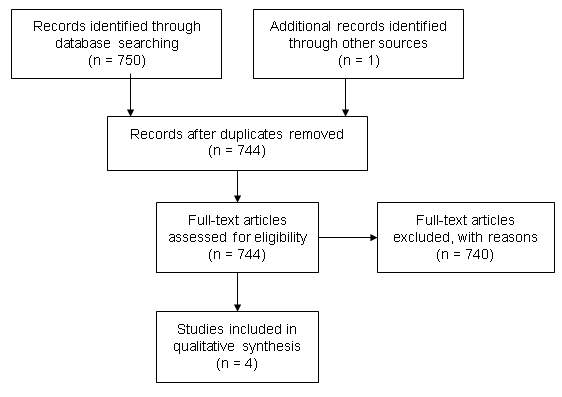
Three databases were searched: The Cochrane Library, OTSeeker and Scopus. One article was also identified through hand-searching of the reference lists of three articles. The following keywords ‘handwriting’, ‘intervention’, ‘therapy’, ‘approach’, ‘treatment’, ‘program’, ‘programme’, ‘paediatric’, ‘children’, ‘students’ and ‘child’ were used and Boolean logic applied (see Appendix 1.0).
Minor adjustments to the formatting of the Boolean logic applied, e.g. use of brackets, was required depending on the database searched. The terms ‘task-orientated’ or ‘legibility’ were not included in the search strategy as they caused the results to be over-limited; excluding these terms increased the likelihood of a comprehensive search of the literature.
Inclusion/ exclusion criteria:
Inclusion criteria applied was 1) that handwriting intervention was provided to participants, 2) that participants were aged between five years of age (as handwriting is not taught until primary school) and eighteen years of age, 3) the intervention was not specific to a diagnosis, e.g. developmental co-ordination disorder, 4) a task-orientated approach to handwriting was investigated and 5) handwriting legibility was included as an outcome measure.
Exclusion criteria applied was 1) if the inclusion criteria above were not met, 2) if the full text was not available freely through the university or HSE as funding for the purchase of articles was not available, 3) if the article was not available in the English language as funding for translation of articles was not available or 4) the intervention was not specific to a diagnosis, e.g. developmental co-ordination disorder.
Articles chosen:
The articles were screened initially from full text for suitability and assessed for eligibility as per the inclusion and exclusion criteria identified (see Appendix 1.1 and Appendix 1.2). The decision was made not to screen from abstract initially as many articles did not outline legibility as a primary outcome reported in the abstract. A total of five studies were included in the final review (see Appendix 1.3) with one article outlining two studies conducted (Jongmans, Linthorst-Bakker, Westenberg and Smits-Engelsman, 2003).
Critical appraisal of literature
The Critical Appraisal Skills Program (CASP, Critical Appraisal Skills Programme, 2017) forms were used to review methodological quality of the studies and classify them into levels of evidence (see Appendix 1.4).
The systematic review by Hoy, Egan and Feder (2011) titled “A Systematic Review of Interventions to Improve Handwriting” was of the highest evidence (i.e. Level I). It critiqued eleven articles of which nine were randomized controlled trials and the other two, controlled trials. The review concluded that repetitive handwriting practice is the most effective intervention to improve written output in school-aged children and that handwriting intervention provided by occupational therapists should emphasise task-orientated handwriting practice and avoid bottom-up approaches which are reported to be ineffective authors (Hoy, Egan and Feder, 2011).
Factors identified which increase the validity and reliability of the systematic review by Hoy, Egan and Feder (2011) addressed a clear question, i.e. ‘what handwriting interventions which could be used by occupational therapists are most effective in improving written output amongst school-aged children?’, searched for controlled trials only as this type of study is most appropriate for evaluating interventions, searched all major databases increasing the chances of a comprehensive search and two authors critiqued the literature sourced and compiled the results of the review independently to reduce bias.
By focusing the review on school-aged children, the results are more generalizable to the client. Limitations of the review include that articles not published in the French or English language were discarded increasing the chances of missed literature, details of the author’s critique of each article’s methodological quality was not detailed in the study which limits the reliability of the study.
Also, many of the studies included in the review had small sample sizes although this was identified as a limitation by the authors (Hoy, Egan and Feder, 2011). Overall, although this study appears to have adequate methodological quality to apply the results of the review to the client, the lack of information regarding the authors critique of the individual studies rigour indicates that the results must be interpreted with caution.
The randomized controlled trial titled “Use of a task-oriented self-instruction method to support children in primary school with poor handwriting quality and speed” by Zwicker and Hadwin (2009) compared two occupational therapy interventions to improve handwriting legibility in seventy-three primary-school aged children; cognitive intervention (which directly relates to a task-orientated approach as it emphasises direct practice of the task as opposed to remediation of process-based skills) and multi-sensory based intervention. Each child (except those in the control group) received one thirty-minute individual occupational therapy session each week for ten weeks (Zwicker and Hadwin, 2009).
The results highlighted that the cognitive approach was more effective at improving handwriting legibility than the multi-sensory approach, with no notable change in the scores of the control group (Zwicker and Hadwin, 2009). No statistically significant change was detected for either group, however handwriting legibility improved for all participants in the cognitive group compared with the multisensory and control group where 4 out of 9 and 3 out of 10 participants respectively, were identified to have worsened handwriting legibility.
Limitations of this study included the lack of blinding and the use of convenience sampling which increased the risk of bias, the fact that the sample was obtained from one school in America decreased the generalisability of this study to the client.
The article “Cognitive versus Multisensory Approaches to Handwriting Intervention: A Randomized Controlled Trial” by Jongmans, Linthorst-Bakker, Westenberg and Smits-Engelsman (2003) outlined two studies, one in a mainstream primary school (Study 1) and the second in a special education school (Study 2) and a control group.
The studies aimed to identify if a self-instruction approach could improve handwriting quality (including legibility) and handwriting speed (Jongmans, Linthorst-Bakker, Westenberg and Smits-Engelsman, 2003). The intervention varied in delivery method between the two studies, i.e. study 1 was delivered via individual sessions, twice a week, over the course of three months as opposed to group sessions, twice a week over six months in study 2, and in design, i.e. study 1 was a pre-post-test design whereas study 2 was a quasi-experimental case-control design (Jongmans, Linthorst-Bakker, Westenberg and Smits-Engelsman, 2003).
The intervention sessions are poorly described which poses a threat to both the validity and genarilisability of the study as the intervention provided cannot be critiqued or easily replicated. It was decided to discontinue the critique of this study at this point as the rigour of the study was poor and therefore not applicable to this case (Critical Appraisal Skills Programme, 2017).
The final article “Assessing Handwriting Intervention Effectiveness in Elementary School Students: A Two-Group Controlled Study” by Howe, Roston, Sheu and Hinojosa (2012). This article compared the effectiveness of two handwriting interventions, “intensive handwriting practice and visual–perceptual–motor activities” (Howe, Roston, Sheu and Hinojosa, 2012, p.19), in improving handwriting legibility and speed amongst a cohort of primary school children. Participants were assigned to either an intensive practice group or a visual-perceptual-motor group and intervention was delivered in group settings over forty-five minutes, two times a week for six weeks, with a pre-post-test design applied (Howe, Roston, Sheu and Hinojosa, 2012).
Standardised assessments of handwriting legibility, speed and visual-motor integration were used as outcome measures to reduce the risk of bias. Whilst the results of the study indicated that intensive practice was the more effective intervention, there were many study limitations which reduce the validity, reliability and generalisability of the study such as no attempt to control for confounding factors, a small sample size (n = 72), only one scorer for the standardised assessments and the geographical location of the study (i.e. New York, United States of America).
Overall, whilst all studies included conclude that a task-orientated approach to handwriting intervention is more effective than a process-based approach, the methodological quality of the studies critiqued are open to numerous threats to internal validity, decreasing the reliability and generalisability of the studies. However, the systematic review by Hoy, Egan and Feder (2011) appeared to have the most rigorous methodology and was of the highest evidence of the studies found, therefore the results of this study, which indicate a task-based approach be used, will be applied to Tim’s case.
Discussion of application of evidence to case study
The evidence suggested that frequent practice of handwriting specific tasks, not activities which aim to remediate components of handwriting, e.g. muscle strength, are more effective at improving the legibility of written output for primary school children like Tim who do not have a formal diagnosis (Hoy, Egan and Feder, 2011). The practice setting demands allowed for just one intervention session and one review session to occur as Tim was not high enough on the priority list, therefore supervision of the intervention sessions could not be facilitated by the therapist as per the studies reviewed.
However, due to the difficult family circumstances, facilitation by the parents to the recommended frequency was not possible and as Tim’s school had a high teacher to pupil ratio, reasonable accommodations were provided by the class teacher, a professional, to deliver majority of the intervention sessions required.
This intervention also fitted with the principles of the PEOP model (Baum, Bass-Haugen and Christiansen, 2005) best due to it’s top-down approach.
Description of intervention session
Goals being addressed: All prioritised goals were addressed.
Location: Tim’s school in a private and quiet room. This was chosen so that the class teacher could be present and it was closer to Tim’s father’s workplace.
People present: Tim’s father, the class teacher and the therapist. Tim was not present for this session as he was sick that morning and could not attend school. Tim’s father had called the therapist in the morning to advise of this but stated that he would have to meet that day for the session as arranged as he could not take another day off work.
Session objectives and content: To educate Tim’s father and teacher on the aims, procedure and facilitation techniques necessary to deliver the school-/ home- based interventions developed by the therapist to achieve the collaborative goals. The therapist ensured that they understood the rationale for the intervention, it’s principles, how best to facilitate success and how, if or when they should contact the therapist regarding the intervention.
The therapist educated the teacher and Tim’s father using a combination of modelling and instruction, which was supplemented with written descriptions, example worksheets and information sheets regarding the school/home based programs. Time was provided for questions and the therapist’s number was provided in case of any future questions.
Treatment approach: Task-specific practice to remediate handwriting difficulties and learning to button the school shirt. A time-limit was applied to homework to reduce the time spent at this occupation.
Frames of reference applied: No person factors were identified during assessment which may impact on the development handwriting or dressing skills and therefore a developmental frame of reference (Murray, 2013) was adopted to meet the first goal of improving Tim’s handwriting skills to increase the legibility of his work and hence improve overall occupational performance in class activities requiring handwriting. It was hypothesised that the high-intensity of handwriting specific task-practice would also improve Tim’s handwriting endurance, which relates to the biomechanical frame of reference (Kramer & Hinojosa, 2009).
A compensatory frame of reference (Murray, 2013) was adopted to meet the homework goal (goal two) as an immediate effect was required to ensure occupational balance whilst handwriting skills were being developed. An educational frame of reference (Murray, 2013) was applied when educating the teacher and Tim’s father on delivering the handwriting intervention and when educating Tim’s father on delivering the buttoning intervention, so that they understood the rationale for the intervention, it’s principles and how best to facilitate success.
Client evaluation of session: The class teacher and Tim’s father reported they understood the information provided, the procedure to be followed and could identify how and when to liaise with the therapist.
Therapist’s evaluation of session: The teacher and Tim’s father participated well in the session, asked questions appropriately and by the end of the session could demonstrate the appropriate skills required to facilitate the school and home program provided.
Evaluation of intervention
The full review session was scheduled for the end of the school term, therefore an evaluation of whether goals were met was not conducted during the placement. This would have consisted of re-administration of the initial assessments conducted. As handwriting speed was not identified as a concern during the initial assessment, a written sample from school could have been used to assess improvements in legibility, however, use of the ‘Detailed Assessment of Speed of Handwriting’ (DASH, Barnett, Henderson, Scheib and Schulz, 2007) would allow for direct observation over the same period and analysis of the same written output.
To review progress of the goals, a phone call was made to Tim’s father at the end of the first week to identify if the homework goal was met. Tim’s father reported that Tim was happy with the arrangement and had not missed any football training since. He stated that Tim initially was not completing math’s homework as he was used to doing this first but that the class teacher had identified this issue and prioritized Tim’s homework at the end of each day to leave handwriting tasks until last as he was already receiving intensive input for this within class. This goal was fully met.
Tim’s father reported also that Tim was focusing on buttoning two buttons independently in the morning before asking for help but that they would be practicing three at the weekend and would hopefully be progressing to this then as per the grading instructions provided by the therapist. This goal was not fully met yet but progress had been identified as Tim was originally not attempting to do up the buttons anymore in the mornings and was again beginning to try with guidance from his father.
To identify if Tim’s handwriting legibility was improving, the therapist made a phone-call to Tim’s class teacher to discuss the intervention sessions being facilitated and identify any concerns. The teacher stated that the intervention was easy to follow and that working on the three aspects of handwriting legibility identified was having a significant impact on the legibility of Tim’s handwriting and subsequently his performance in class tasks and assessments had increased.
A work sample was requested which the teacher posted to the therapist, with parental consent, and analysed by the therapist – 40% of words were deemed illegible which indicated an improvement in written output, i.e. occupational performance (Baum, Bass-Haugen and Christiansen, 2005). As a result, the therapist consulted with Tim’s father and class teacher, via phone-call, to adjust the goal to reflect the rapid improvement and a reduction to 30% illegible words as opposed to 40% was collaboratively agreed.
Overall the intervention to date was successful and given the constraints on direct patient contact within the service at the time, collaborating with the school allowed for parts of the intervention delivery to be delivered by a professional who knew Tim well, on a regular basis. However, Tim should have been present for an intervention session to allow for the therapist to explain the intervention to Tim and to provide an opportunity for the class teacher and Tim’s father to practice delivering the school/home programs under supervision initially and receive feedback.
Note: * = Tim is a pseudonym and not the client’s real name.
References
Anaby, D., Jarus, T., Backman, C. and Zumbo, B. (2010) “The Role of Occupational Characteristics and Occupational Imbalance in Explaining Well-being”, Applied Research in Quality of Life, 5(2), pp. 81-104.
Barnett, A., Henderson, S., Scheib, B. and Schulz, J. (2009) “Development and standardization of a new handwriting speed test: The Detailed Assessment of Speed of Handwriting”, British Journal of Educational Psychology, 2(6), pp. 137-157.
Barnett, A., Henderson, S., Scheib, B. and Schulz, J. (2007) The Detailed Assessment of Speed of Handwriting (DASH): Manual. Pearson Education.
Baum, C., Bass-Haugen, J., Christiansen, C.H. (2005) Person, environment, occupation and performance. A model for planning interventions for individuals and organisations. In Christiansen C, Baum C, Haugen J (2005) Occupational therapy: performance, participation and wellbeing (3rd ed). Thorofare: SLACK Inc.
Critical Appraisal Skills Programme (CASP) (2017) Critical Appraisal Skills Programme (CASP). Available at: http://www.casp-uk.net/casp-tools-checklists (Accessed: 12 October 2017).
Dennis, J. and Swinth, Y. (2001) “Pencil Grasp and Children’s Handwriting Legibility During Different-Length Writing Tasks”, American Journal of Occupational Therapy, 55(2), pp. 175-183.
Denton, P., Cope, S. and Moser, C. (2006) “The Effects of Sensorimotor-Based Intervention Versus Therapeutic Practice on Improving Handwriting Performance in 6- to 11-Year-Old Children”, American Journal of Occupational Therapy, 60(1), pp. 16-27.
Feder, K. and Majnemer, A. (2007) “Handwriting development, competency, and intervention”, Developmental Medicine & Child Neurology, 49(4), pp. 312-314.
Francis, A., Wallen, M. and Bundy, A. (2016) “Comparison of the Properties of the Handwriting Speed Test (HST) and Detailed Assessment of Speed of Handwriting (DASH): An Exploratory Study”, Physical & Occupational Therapy in Paediatrics, 37(2), pp. 155-169.
Harbeck, N. and Gnant, M. (2017) “Breast cancer”, The Lancet, 389(10074), pp. 1134-1150.
Hayles, E., Harvey, D., Plummer, D. and Jones, A. (2015) “Parents’ Experiences of Health Care for Their Children with Cerebral Palsy”, Qualitative Health Research, 25(8), pp. 1-16.
Henderson, S.E. and Sugden, D.A. (2007). Movement Assessment Battery for Children.2nd Ed. London: Pearson.
Howe, T., Roston, K., Sheu, C. and Hinojosa, J. (2012) “Assessing Handwriting Intervention Effectiveness in Elementary School Students: A Two-Group Controlled Study”, American Journal of Occupational Therapy, 67(1), pp. 19-26.
Hoy, M., Egan, M. and Feder, K. (2011) “A Systematic Review of Interventions to Improve Handwriting”, Canadian Journal of Occupational Therapy, 78(1), pp. 13-25.
Jongmans, M., Linthorst-Bakker, E., Westenberg, Y. and Smits-Engelsman, B. (2003) “Use of a task-oriented self-instruction method to support children in primary school with poor handwriting quality and speed”, Human Movement Science, 22(4-5), pp. 549-566.
Joosten, A. (2015) “Contemporary occupational therapy: Our occupational therapy models are essential to occupation centred practice”, Australian Occupational Therapy Journal, 62(3), pp. 219-222.
Kielhofner, G. (2008) Model of human occupation. 4th ed. Baltimore, MD: Lippincott Williams & Wilkins, pp. 1-6.
Killeen, H., Shiel, A., Law, M., Segurado, R. and O’Donovan, D. (2014) “The impact of preterm birth on participation in childhood occupation”, European Journal of Paediatrics, 174(3), pp. 299-306.
Kramer, P. and Hinojosa, J. (2009). Frames of reference for pediatric occupational therapy (3rd ed.).Baltimore: Lippincott, Williams & Wilkins.
Lee, J. (2010) “Achieving Best Practice: A Review of Evidence Linked to Occupation-Focused Practice Models”, Occupational Therapy in Health Care, 24(3), pp. 206-222.
Medwell, J., Strand, S. and Wray, D. (2007) “The links between handwriting and composing for Y2 children”, Journal of Reading, Writing and Literacy, 2(1), pp. 11-21.
Murray, L., (2013). “Models, Frame of References & Learning Theories”. Mental Health 1. [Online] Available at: https://nuigalway.blackboard.com/webapps/blackboard/execute/content/file?cmd=view&content_id=_621334_1&course_id=_41164_1&framesetWrapped=true. (Accessed 24 October 2017).
Occupational Therapists Registration Board Code of Professional Conduct and Ethics Bye-law 2014 (SI no. 527 of 2014).
Schieve, L., Tian, L., Rankin, K., Kogan, M., Yeargin-Allsopp, M., Visser, S. and Rosenberg, D. (2016) “Population impact of preterm birth and low birth weight on developmental disabilities in US children”, Annals of Epidemiology, 26(4), pp. 267-274.
Schwellnus, H., Carnahan, H., Kushki, A., Polatajko, H., Missiuna, C. and Chau, T. (2012) “Effect of Pencil Grasp on the Speed and Legibility of Handwriting in Children”, American Journal of Occupational Therapy, 66(6), pp. 718-726.
Wong, S. and Fisher, G. (2015) “Comparing and Using Occupation-Focused Models”, Occupational Therapy in Health Care, 29(3), pp. 297-315.
Zwicker, J. and Hadwin, A. (2009) “Cognitive versus Multisensory Approaches to Handwriting Intervention: A Randomized Controlled Trial”, OTJR: Occupation, Participation and Health, 29(1), pp. 40-48.
Bibliography
Burke, P. and Flattery, V. (2010) Professional Supervision in Occupational Therapy. 1st ed. Galway: Association of Occupational Therapists Ireland, pp. 4-24. Available at: https://www.aoti.ie/attachments/9875f756-9a10-46b7-a6b9-b34162611e4b.PDF (Accessed: 5 October 2017).
Appendices
Appendix 1.0 (Search strategy)
Database
Keywords
Boolean logic
Cochrane OTSeekerScopus(1 paper was hand searched from the reference list of three articles found during the search)
((“handwriting”) AND (“intervention” OR “therapy” OR “approach” OR “treatment” OR “program” OR “programme”) AND (“child” OR “children” OR “students” OR “paediatric”))
Note: A task-orientated approach or legibility were not included in the keywords as they caused results returned to be over-limited.
Appendix 1.1
Name of database
Number of papers found
Number of papers rejected from initial screening
Cochrane
43
41 (11 – handwriting intervention not investigated, 30 – Task-orientated approach not included)
OTSeeker
11
8 (1 – adults, 6 – Task-orientated approach not included, 1 – handwriting legibility not an outcome)
Scopus
696
691 (5 – included adults, 224 – Handwriting intervention not investigated, 438 – Task-orientated approach not included, 8 – handwriting legibility was not an outcome, 18 – Specific to a client condition)
Hand searched (3)
1
0
As you continue, customnursingassignments.com has the top and most qualified writers to help with any of your assignments. All you need to do is place an order with us. (Case Study for Occupational Therapy)
Case Study for Occupational Therapy
Appendix 1.2
Inclusion criteria
Number of papers rejected
Reasons for rejection (exclusion criteria)
Handwriting intervention was provided to participants.
235
Handwriting intervention not provided – 235
Participants were aged between five years of age and eighteen years of age.
6
Included participants under the age of five – 0 Included participants over 18 years of age – 6
Intervention not specific to a diagnosis, e.g. developmental co-ordination disorder
18
Specific to a diagnosis – 18
A task-orientated approach to handwriting was investigated.
471
Task orientated approach not investigated – 471
Handwriting legibility was included as an outcome measure.
10
Handwriting legibility was not an outcome measure – 10
Full text was available.
0
Full text not available – 0
Full text was published in the English language and this version was available.
0
English language full text version not available – 0
Appendix 1.3 (Prisma)
Appendix 1.4 (Literature selected for review)
Level of evidence
Number of articles
Reference
Level I – Evidence from a systematic review or meta-analysis from all relevant RCTs
1
Hoy, M., Egan, M. and Feder, K. (2011) “A Systematic Review of Interventions to Improve Handwriting”, Canadian Journal of Occupational Therapy, 78(1), pp. 13-25.
Level II – Evidence from at least one well designed RCT
0
Level III – Evidence from well-designed controlled trials without randomisation
2 (1 – Poorly designed RCT Well-designed controlled trial without randomisation)
Jongmans, M., Linthorst-Bakker, E., Westenberg, Y. and Smits-Engelsman, B. (2003) “Use of a task-oriented self-instruction method to support children in primary school with poor handwriting quality and speed”, Human Movement Science, 22(4-5), pp. 549-566. Zwicker, J. and Hadwin, A. (2009) “Cognitive versus Multisensory Approaches to Handwriting Intervention: A Randomized Controlled Trial”, OTJR: Occupation, Participation and Health, 29(1), pp. 40-48.
Level IV – Evidence from well-designed case-controlled and cohort studies
1
Howe, T., Roston, K., Sheu, C. and Hinojosa, J. (2012) “Assessing Handwriting Intervention Effectiveness in Elementary School Students: A Two-Group Controlled Study”, American Journal of Occupational Therapy, 67(1), pp. 19-26.
Level V – Evidence from systematic reviews of descriptive and qualitative studies
0
Level VI – Evidence from a single descriptive or qualitative study
0
Level VII – Evidence from the opinion of authorities and/or reports of expert committees
0
Related FAQs
1. Do you have a relevant case study for other occupational therapists?
If you’ve experienced a professional challenge or situation you feel would be a relevant case study for other occupational therapists, we’d like to hear about it. Email us with your ideas at practice@cotbc.org. Case Study: Is it Occupational Therapy?
2. Can occupational therapists assist clients with medical equipment purchases?
As a professional OT, you may have access to competitive pricing on certain medical equipment. This case study explores how that access can lead to conflicts of interest when it comes to assisting clients to purchase equipment.
3. Can an occupational therapist help with neuro rehabilitation?
In this case study Lucas has sustained an head injury resulting in multiple impairments including cognitive and some physical difficulties. Here we can see how an OT can help with neuro rehabilitation using a goal centred approach.
4. How can occupational therapists use occupational performance to engage clients?
The occupational therapist could then apply the knowledge of the performance components, e.g. Tim’s in-hand manipulation skills, to enrich the therapists overall image of the context of Tim’s participation in occupation. This subsequently allowed for occupation-focused goals to be collaboratively set with the client.
Nursing Case Study on Hypertension – Mr. MS is a 58-year-old Malay male who was previously diagnosed with hypertension, gout and triple vessel ischemic heart disease. He first presented with chest pain in March 2010 where he was diagnosed with ischemic heart disease.
As you follow along, remember that our qualified writers are always ready to help in any of your nursing assignments. All you need to do is place an order with us! (Nursing Case Study on Hypertension )
Disclaimer: This is a sample essay written by a student and not one of our professional nursing writers. It is meant to be used as just an example to other students.
Any opinions, findings, conclusions, or recommendations expressed in this essay are those of the author and do not necessarily reflect the views of pro-essays.com. This essay should not be treated as an authoritative source of information when forming medical opinions as information may be inaccurate or out-of-date.
Nursing Case Study on Hypertension
Mr. MS is a 58-year-old Malay male who was previously diagnosed with hypertension, gout and triple vessel ischemic heart disease. He first presented with chest pain in March 2010 where he was diagnosed with ischemic heart disease. He was unable to complete an exercise stress test and an angiogram done in Hospital Sultanah Aminah found him to have triple vessel disease.
He was told angioplasty was not possible due to the severity of the blocks and was counseled for CABG but he was not keen. Meanwhile, he has had angina attacks 2 to 3 times per week every week since his initial diagnosis for the last 3 months, usually relieved by sublingual GTN and was currently admitted for the 4th time for chest pain not relieved by GTN. ECG done 2 hours after onset of chest pain showed ST depression of 2mm at leads I, aVL, V3 – V6 and left axis deviation with no Q waves.
Trop T was positive (2.75 ng/ml) at 4 hours after onset and other cardiac enzymes were also raised significantly. He was diagnosed with NSTEMI and treated with aspirin 300mg, IV morphine 2.5 mg, sublingual GTN 3 tablets and subcutaneous clexane 60mg BD for 3 days as well as continuing his current medication regime of simvastatin, metoprolol, cardiprin, ISDN, amlodipine and GTN. Following admission, he was well in the ward with no recurrence of chest pain and did not develop any new complaints.
He was discharged after 3 days of inpatient treatment with instructions to attend his follow-up appointment at the cardio clinic in HSAJB on the 16th of June 2010 to make an appointment for surgery. Following this episode of chest pain, which he says is the worst so far, he is now quite keen for CABG.
PATIENT’S DETAILS
I/C NUMBER: 510831015263 AGE: 58
SEX: Male DATE OF ADMISSION: 3/6/2010
R/N: 1348445
2) CLINICAL HISTORY
Chief Complaint
Chest pain for 1 day.
History of Present Illness
Mr. MS is a 58-year-old Malay male who was previously diagnosed with gout, hypertension and ischemic heart disease with triple vessel disease. He was awoken from sleep at about 10pm due to a central chest pain of sudden onset.
He described the character of the pain as crushing in nature and radiated to his neck. This episode of chest pain was the most severe since he was first diagnosed with ischemic heart disease.
The pain was associated with profuse sweating, body weakness and was not relieved by rest. However, it was relieved by sublingual GTN, of which he has a supply of. His discomfort was made worst by exertion so he lay in bed to recover. Despite this, he had another episode of chest pain 30 minutes later.
He took the sublingual GTN again but this time, the pain did not resolve. He was then brought to the emergency department of Hospital Batu Pahat by his son.
This is Mr. MS’s fourth admission for chest pain since March 2010. Since his diagnosis of ischemic heart disease in March, he has experience angina attacks two to three times per week, especially on exertion such as when straining while passing motion. During these attacks, he uses sublingual GTN to relieve his symptoms and normally feels much better after that. He only comes to the hospital when GTN does not work to relieve his symptoms.
Systemic Review
Mr. MS does not experience symptoms such as palpitations, dizziness, headache, nausea, vomiting, orthopnoea, paroxysmal nocturnal dyspnoea, epigastric pain, shortness of breath, fever, and had no syncopal episodes. He also does not have loss of appetite or loss of weight. Bowel and urinary habits are normal. His sleep has not been affected until this current episode whereby he was awoken by the chest pain.
Past Medical History
Mr. MS was diagnosed with hypertension 6 years ago when he had an episode of headache. He has been on medication since and was on regular follow-up with KK Rengit. He was diagnosed with gout 5 years ago when he had a left big toe swelling which resolved after some medication.
He is not on long term medication for gout. Mr. MS was admitted for the first time 5 years ago in 2005 when he had bilateral renal calculi. He was subsequently referred to Hospital Sultanah Aminah for further management of this problem and it has since resolved and does not have follow-up anymore.
Mr. MS was diagnosed with ischemic heart disease in March 2010 when he presented with chest pain for the first time. Following his recovery, he underwent a stress test in Hospital Batu Pahat but according to him, was unable to complete the procedure due to chest discomfort.
He was referred to the cardiology unit in Hospital Sultanah Aminah for further management where an angiogram was performed and he was told to have triple vessel disease. He was also told that angioplasty was not possible due to the severity of the blocks.
He was recommended to have Coronary Artery Bypass Grafting (CABG) but as of yet, no appointment has been made as he was still unsure of going through with the procedure. Following this episode of chest pain, Mr. MS has decided that going for the CABG is the only thing that will keep him alive.
His current medications include:
Tab Simvastatin 20mg OD
Tab Metoprolol 75mg BD
Tab Cardiprin 100mg OD
Tab Isosorbide Dinitrate (ISDN) 5mg TDS
Tab Amlodipine 10mg OD
Sublingual Glyceryl Trinitrate (GTN) PRN
He is compliant to his medication regime.
Mr. MS is not known to have diabetes or hyperlipidemia. He also does not have any known food or drug allergies.
Family History
Mr. MS is the 3rd of 9 siblings. His father had hypertension and passed away a long time ago due to unknown causes. His mother and other siblings are healthy. None of them have hypertension, diabetes, ischemic heart disease or malignancy.
Social History
He lives in a kampung in Rengit with his wife and 5 children. Mr. MS does not smoke nor consume alcohol. He works in a palm oil plantation. The distance from his house to Hospital Batu Pahat is about half an hour. On further enquiry, Mr. MS says that the cost of the CABG is about RM1000, which he can afford.
3) FINDINGS ON CLINICAL EXAMINATION
(Mr. MS was examined by me 9 hours after onset of chest pain)
Mr. MS was alert, conscious, and communicative. He was not in obvious pain or respiratory distress. He was lying down comfortably on his bed. There were no tendon xanthomata, xanthelasma, pallor, corneal arcus or pedal edema. His JVP was not raised. His clinical parameters are:
Blood Pressure : 158/94 mmHg
Heart Rate : 94 beats per minute. Regular rhythm
Respiratory Rate : 20 breaths per minute
Temperature : 37°C
SpO2 : 97% under room air
On examination of the precordium, the apex beat was located at the 5th intercostal space on the midclavicular line and was normal in character. Parasternal heave was not felt and there were no thrills. First and second heart sounds were heard. There were no murmurs or added heart sounds.
On examination of the chest, there was no deformity and chest expansion was equal on both sides. Percussion and tactile vocal fremitus was normal and equal on both sides. On auscultation, vesicular breath sounds were heard throughout all lung fields with good air entry. There was no wheezing or crepitations heard.
On examination of the abdomen, it was soft and non-tender. There were no masses felt. Bowel sounds were heard and normal.
4) PROVISIONAL AND DIFFERENTIAL DIAGNOSES WITH REASONING
Provisional Diagnosis
Acute myocardial infarction with underlying triple vessel ischemic heart disease and hypertension
With a history of diagnosed triple vessel ischemic heart disease with multiple episodes of angina attacks since the initial diagnosis, it is highly likely that Mr. MS is presenting with an acute coronary event and this should be a priority until proven otherwise. This is evidenced by the presentation of central, crushing chest pain of sudden onset that radiated to the neck and associated with profuse sweating and body weakness which is classical of a myocardial infarction.
Mr. MS will require immediate investigations such as an electrocardiogram and cardiac enzymes to differentiate the acute coronary syndromes so that the appropriate management may be instituted for him e.g. if he has an ST-segment elevation myocardial infarction (STEMI), he will require myocardium-saving thrombolytic therapy to disrupt the ischemic event.
As Mr. MS did not present with features such as acute shortness of breath, loss of consciousness and severe palpitations, it seems that he does not have complications of acute myocardial infarction but these developments should be watched out for throughout his admission as complications may arise later.
Differential Diagnosis
Pulmonary embolism
Pulmonary embolism is a possibility that can be considered when a patient presents with an acute chest pain that is accompanied by shortness of breath, hemoptysis, tachypnea, fever and even cyanosis and collapse in severe cases. Furthermore, the chest pain is of a pleuritic nature, of which it is worsened on breathing, and a pleural rub can be heard on auscultation of the chest.
However, Mr. MS did not present in such a way. At the same time, Mr. MS did not have risk factors such as a deep vein thrombosis, prolonged immobilization or recent surgery. It is still highly likely that Mr. MS has suffered an acute myocardial infarction, and an ECG would help to differentiate between the two as pulmonary embolism might show the classic S1Q3T3 pattern of right axis deviation or right bundle branch block. Either way, the diagnosis should be made quickly so treatment may be instituted before his condition becomes worse or complications develop.
Aortic dissection
Aortic dissection presents as an acute onset chest pain that is tearing in nature, and often radiates to the back. It is often confused with myocardial infarction due to its presentation but differences include the lack of profuse sweating, signs of heart pump dysfunction and a normal ECG. Risk factors are usually uncontrolled hypertension, connective tissue disorders or chest trauma. Mr. MS has hypertension, but is under control, and does not have the other risk factors. A diagnosis of myocardial infarction should be the priority as thrombolytic therapy is vital, but if there is any reason to doubt that diagnosis, then further investigations should be performed.
5) IDENTIFY AND PRIORITISE THE PROBLEMS
1. Acute chest pain
Mr. MS has acute chest pain with features very suggestive of a classical picture of myocardial infarction as he presents with crushing central chest pain that radiates to the neck and associated with profuse sweating and weakness. Given that he is known to have triple vessel ischemic heart disease and that he has suffered many angina attacks since his initial diagnosis, it is highly likely that he is having an acute myocardial infarction.
Without further a due, he needs an electrocardiogram (ECG) and cardiac enzymes tested to distinguish between the different acute coronary syndromes so that the appropriate treatment protocols may be initiated for him as soon as possible to disrupt the ongoing ischemia. As Mr. MS is having severe chest pain that may overstimulate his sympathetic system and cause further ischemia, he will require immediate supportive therapy such as effective pain medication and oxygen therapy.
Mr. MS was diagnosed with triple vessel ischemic heart disease when he first presented with chest pain in March 2010 and has since experienced many episodes of angina. Given his diagnosis and disease pattern, he is at a very high risk of developing a severe acute coronary event that may prove fatal if the infarction is too extensive or if complications develop.
As percutaneous revascularization with a stent or balloon was not possible for him, he will require a CABG to both relieve his symptoms and reduce his mortality risks in the long term. He was unsure of going ahead with the operation previously, therefore no appointment date was given for surgery.
However, now that he has changed his mind, every effort should be made by both the doctors in charge of him here in Hospital Batu Pahat and in the cardiology unit of Hospital Sultanah Aminah to arrange for his surgery as soon as possible, given the circumstances of his condition.
3. Compliance to medication
Mr. MS is on several medications for his triple vessel ischemic heart disease and will require revascularization surgery soon in order to decrease his mortality risks. However, waiting for a CABG in the government setting may take some time, even under dire circumstances due to the nature of the system.
Therefore, it is extremely crucial that Mr. MS is compliant to his medication regime while awaiting a CABG to prevent another episode of infarction. He should be counseled to fully understand this and the situation of his ischemic heart disease.
It is also the responsibility of his doctors to ensure that he is taking the right combination of medications with the aim to prevent another acute cardiac event. Meanwhile, a sufficient supply of sublingual GTN should be provided for Mr. MS in cases of angina attacks at home. He should come to the hospital immediately if GTN fails to relieve his symptoms.
4. Regular screening for comorbid diseases
Mr. MS has not been diagnosed with diabetes or hyperlipidemia previously but these diseases are strong risk factors for the long term implications of his ischemic heart disease. Therefore, Mr. MS should be screened regularly e.g. twice yearly during his follow-up appointments.
Early detection of diabetes is necessary so that treatment can start as soon as detected in order to prevent his ischemic heart disease from becoming worst than it already is. As for his lipid control, if his lipid profile is found to be outside the normal limits, the dosage of his medication can be increased as necessary.
Following his CABG, he will need to maintain a healthy lifestyle of a good, well-balanced, low-salt and low-fat diet and regular exercise within his limits.
6) PLAN OF INVESTIGATION, JUSTIFICATIONS FOR THE SELECTION OF TESTS OR PROCEDURES, AND INTERPRETATION OF RESULTS
1. Electrocardiogram (ECG)
To look for any changes that may indicate an ongoing ischemic event, such as ST elevation or depression and T wave inversion in order to support the diagnosis of an acute myocardial infarction so appropriate treatment can be started. Differentiation of ST segment elevation or depression is also crucial in initiating treatment as thrombolytic therapy is only indicated for ST-elevation myocardial infarction.
Results: ECG on admission (2 hours after onset) shows sinus rhythm with ST depression at leads I, aVL, V3 – V6 with left axis deviation. T wave was present and normal.
Interpretation: The ST depression in the leads above indicate an ischemic event at the anterolateral sections of the heart. The lack of ST elevation concludes a diagnosis of either unstable angina or NSTEMI, depending on the levels of cardiac enzymes. There is no sign of old infarction.
As you continue, customnursingassignments.com has the top and most qualified writers to help with any of your assignments. All you need to do is place an order with us. (Nursing Case Study on Hypertension)
Nursing Case Study on Hypertension
2. Cardiac Enzymes
To look for elevated levels of cardiac enzymes such as troponin T, creatinine kinase (CK), lactate dehydrogenase (LDH) and aspartate transaminase (AST) that will indicate myocardium ischemia and necrosis. If elevated, a diagnosis of NSTEMI can be made in accordance with the ECG changes.
However, cardiac enzymes when done too early after onset may not show any rise in levels 1. This does not mean that necrosis has not taken place and the test should be repeated once more at 6 hours after onset 1.
Results: Troponin T (4 hours after onset) – 2.75ng/ml ↑
(12 hours after onset) (60 hours after onset) Normal Range (U/L)
CK – 997 ↑ 263 ↑ <175
LDH – 392 ↑ 518 ↑ 114 – 241
AST – 139 ↑ 59 ↑ <37
Interpretation: Troponin T is elevated indicating myocardial infarction and necrosis has taken place, and combined with the features on ECG, a diagnosis of NSTEMI is made regarding Mr. MS’s current episode of chest pain.
3. Full Blood Count
To look for signs of infection or anemia which could have precipitated the acute coronary event, to check platelet levels as thrombolytic or anticoagulation therapy will be started for Mr. MS, and as baseline for monitoring as anticoagulation therapy with heparin may cause thrombocytopenia.
Interpretation: The total white cell count is raised, but that could be due to the reaction of the body towards the acute stressing event of the myocardial infarction. Hemoglobin is normal indicating no anemia and platelets are normal, therefore there is no contraindication to start anticoagulation therapy.
4. Prothrombin Time, INR, Activated Partial Thromboplastin Time (PT/INR/APTT)
To obtain a baseline of the coagulation profile before starting any anticoagulation or thrombolytic therapy.
Result: PT – 14.3s INR – 1.28 APTT – 42.6s
Interpretation: PT/INR/APTT is within normal range. There is no contraindication to anticoagulation or thrombolytic therapy if necessary.
5. Renal Profile
To assess the renal functions as the patient has a history of hypertension. Also, it is necessary to check renal functions before drugs such as ACE-inhibitors are started.
Result: Urea – 5.7mmol/L Sodium – 135mmol/L
Potassium – 4.1mmol/L Creatinine – 129µmol/L
Interpretation: Mr. MS’s renal functions are normal. There is no evidence of renal disease and drugs such as ACE-inhibitors may be added to his medication regime if required.
6. Chest X-Ray
Provides information of the left heart function by looking for cardiomegaly or increased pulmonary markings as Mr. MS has ischemic heart disease and hypertension. However, Mr. MS has no complaints suggestive of failure. Therefore, this chest radiograph may be used as a baseline for comparisons with future radiographs.
Result: There is no cardiomegaly and no features of pulmonary congestion.
Interpretation: Mr. MS’s left heart function is normal, as the lack of failure symptoms suggests.
7. Fasting Blood Glucose
To screen Mr. MS for diabetes, which is an important co-morbid condition and risk factor for his ischemic heart disease and will require early treatment if detected.
Result: 6.4mmol/L
Interpretation: The fasting blood glucose level is normal but is on the high end of the normal range. This could be the result of the body’s acute stress response to the myocardial infarction. Mr. MS should be screened regularly in future for diabetes given his high risk.
8. Fasting Lipid Profile
Despite the fact that Mr. MS was not previously diagnosed with hyperlipidemia, he is taking medication (simvastatin) as it is recommended for patients with ischemic heart disease. However, his lipids should be checked regularly to detect a rise in the cholesterol and LDL levels so that it can be managed appropriately.
Results: Total Cholesterol – 4.4mmol/L HDL – 1.3mmol/L
Triglycerides – 1.5mmol/L LDL – 2.4mmol/L
Interpretation: His fasting lipid profile is normal. This indicates that Mr. MS requires no adjustment to his medication for lipid control.
7) WORKING DIAGNOSIS AND PLAN OF MANAGEMENT ON ADMISSION
Working Diagnosis
Non ST-segment elevation myocardial infarction (NSTEMI) with underlying triple vessel ischemic heart disease and hypertension
Plan of management at the emergency department
Sublingual GTN 1 tablet stat
Tablet aspirin 300mg stat
Oxygen therapy 3L/min via nasal prong
Intravenous morphine 2.5mg stat
Intravenous drip 1 pint Normal Saline
Plan of management on admission to the ward
Subcutaneous clexane 60mg BD for 3 days
Sublingual GTN 1 tablet PRN
Oxygen therapy 3L/min via nasal prong
Encourage oral intake
Daily ECG and if chest pain recurs
Vital signs and SpO2 monitoring 2 hourly
Tablet simvastatin 20mg ON
Tablet metoprolol 75mg BD
Tablet cardiprin 100mg OD
Tablet isosorbide dinitrate (ISDN) 5mg TDS
Tablet amlodipine 10mg OD
To inform staff nurse or house officer immediately if symptoms recur
8) SUMMARY OF INPATIENT PROGRESS (INCLUDING MAJOR EVENTS, CHANGE OF DIAGNOSIS OR MANAGEMENT AND OUTCOMES)
In the emergency department, Mr. MS was relatively stable on presentation despite the acute coronary event. He was given sublingual GTN 3 times in total in the emergency department before his symptoms were relieved. Upon admission to the ward, he was started on subcutaneous clexane and was continued on his current medication regime.
Throughout Mr. MS’s stay in the ward, he did not have any recurrences of chest pain and did not develop any complications of his NSTEMI. He was relatively comfortable in the ward, did not have any new complaints, slept well at night and was able to tolerate well orally. His vital signs were also stable throughout his stay.
Daily ECG showed resolving ST changes with no new evolving changes. He was discharged after 3 days of inpatient treatment whereby he completed three days of subcutaneous clexane. ECG taken on discharge showed T wave inversion in leads I and aVL, ST depression in leads V4 to V6 and Q waves in leads V4 to V6.
On discharge, he was given appointment at the specialist clinic in Hospital Batu Pahat to review his renal profile, fasting blood glucose and fasting lipid profile in 3 months time. He was also told to continue his current medication regime and his follow-up appointment with the cardiology clinic in Hospital Sultanah Aminah on the 16th of June 2010 to fix a date for his CABG.
9) DISCHARGE PLAN, COUNSELLING AND MOCK PRESCRIPTION
Discharge Plan
Continue current medication regime.
Follow-up appointment with specialist clinic, Hospital Batu Pahat in 3 months time to review renal profile, fasting blood glucose, and fasting lipid profile.
Follow-up appointment with cardiology clinic, Hospital Sultanah Aminah on 16/6/2010 to fix a date for CABG.
Advised compliance to medications to prevent further recurrence of chest pain.
Advised to return immediately to the hospital if Mr. MS suffers from chest pain that is not relieved by GTN or other worrying symptoms.
Advised to watch a healthy lifestyle in order to prevent other comorbid conditions such as hyperlipidemia and diabetes. At the same time, healthy living confers benefits and reduces mortality risks of ischemic heart disease.
Hospital Sultanah Aminah, Johor Bahru. 5th June 2010
Mr. MS (IC.510831015263)
Date of admission: 3rd June 2010, Date of discharge: 5th June 2010
Problem: Triple Vessel Ischemic Heart Disease for CABG
As you continue, customnursingassignments.com has the top and most qualified writers to help with any of your assignments. All you need to do is place an order with us. (Nursing Case Study on Hypertension)
Nursing Case Study on Hypertension
Dear doctor,
Mr. MS is a 58-year-old gentleman who is under your follow-up for triple vessel ischemic heart disease. He presented to us with acute chest pain not relieved by GTN. He was diagnosed with NSTEMI as ECG on admission showed ST depression (2mm) in leads I, aVL, V3 – V6, and cardiac enzymes were positive.
He was admitted for 3 days during which he was treated with subcutaneous clexane 60mg BD for 3 days and continued his current medications of simvastatin 20mg ON, metoprolol 75md BD, cardiprin 100mg OD, ISDN 5mg TDS, amlodipine 10mg OD and GTN 1 tablet PRN. During his stay, he did not have recurrence of chest pain and was relatively comfortable throughout. We discharged him with instructions to attend your clinic as scheduled on the 16th of June 2010.
It is our understanding that he was recommended CABG but was not keen initially. However, that has changed. Please review his condition during his follow-up with you and if possible, to fix a date for CABG. Thank you very much for your attention.
Yours sincerely,
Related FAQs
1. What is an expected nursing diagnosis for a patient with hypertension?
An expected nursing diagnosis for a patient with hypertension is: A. Heart failure. B. Knowledge deficit. C. Myocardial infarction. D. Renal insufficiency. 1. Answer: B. 130/80 mm Hg Stage 1 hypertension starts when the patient has a systolic blood pressure of 130 to 139 mm Hg and a diastolic pressure of 80 to 89 mm Hg.
2. What is the nurse’s role in managing high blood pressure?
The nurse can help the patient achieve blood pressure control through education about managing blood pressure. Assist the patient in setting goal blood pressures. Provide assistance with social support. Encourage the involvement of family members in the education program to support the patient’s efforts to control hypertension.
3. What are the 6 hypertension nursing care plans?
Main article: 6 Hypertension Nursing Care Plans. The major goals for a patient with hypertension are as follows: Understanding of the disease process and its treatment. Participation in a self-care program. Absence of complications. BP within acceptable limits for individual.
4. What is included in the nursing assessment of antihypertensive medications?
Nursing Assessment 1 If patient is on antihypertensive medications, blood pressure is assessed to determine the effectiveness and detect… 2 Complete history should be obtained to assess for signs and symptoms that indicate target organ damage. 3 Pay attention to the rate, rhythm, and character of the apical and peripheral pulses.
CPT Code 99214 Evaluation – It is vitally important to use the correct billing CPT code 99214 for Evaluation and management coding when establishing a new patient visit, this can increase profits through Medicare reimbursement.
As you follow along, remember that our qualified writers are always ready to help in any of your nursing assignments. All you need to do is place an order with us! (CPT Code 99214 Evaluation)
Disclaimer: This is a sample essay written by a student and not one of our professional nursing writers. It is meant to be used as just an example to other students.
Any opinions, findings, conclusions, or recommendations expressed in this essay are those of the author and do not necessarily reflect the views of pro-essays.com. This essay should not be treated as an authoritative source of information when forming medical opinions as information may be inaccurate or out-of-date.
CPT Code 99214 Evaluation
Introduction
It is vitally important to use the correct billing CPT code 99214 for Evaluation and management coding when establishing a new patient visit, this can increase profits through Medicare reimbursement. The code 99214 can be is used when a doctor or physician as spent at least 25 minutes of his or her time face-to-face with a patient.
CPT Code 99214 On-line
The CPT code 99214 is assigned too many hospitals or clinics that meet the terms of the requirements to include:
The patient has been seen previously and is considered not to be their first visit.
Visit must be outpatient and not to include a night stay in the hospital.
It must surpass two of the following three points:
A complete history
A complete medical examination
Medical decision that involves reasonable complexity.
Reasons for the patient visit can range from moderate to severe and needs to include the physician and patient interaction a total of 25 minutes face-to-face.
Medicare along with other insurance pay less money to the physicians if they are in agreement with under coding by using CPT code 99214. The physician must understand the importance of using the code correctly, and the mechanisms necessary to capture most of the doctor’s encounters. The CPT code 99214 have a greater return rate but falls underneath a moderate complexity to a severe problem.
Medications, review of systems, past medical, family and social history are the first component that needs to be met. Physician needs to document the appropriate medical exam using the right body systems by focusing on six areas to include two bullets to meet the obligation for the complexity of this area. Medical decision-making component is included in the progress note, and you can also include the laboratory results for a higher code, but the physician have to include the medical need to justify the services performed during the visit so the code can be at a higher level.
Lastly, doctors will code using CPT code 99213, but the qualifiers shot for the higher CPT 99214 code. By following the 1997 rule focusing and evaluating the three medical patient problems such as high blood pressure, diabetes, and High cholesterol the physician has met the medical requirement as well as monitor these illnesses to help the patient monitor or control the disease. Medical Billing and Coding Online. (2011-2015. Para. 1-15)
CPT Code 99214 Individual State
CPT code 99214 can be used hospital or clinic visit for medical and psychological health illnesses by patients who are already established as a patient. CPT Code 99214 resembles CPT Code 99215 and can be difficult to distinguish between the two billing choices. Using CPT code issues the second maximum level of care and considered a level four code. Code 99214 can be used in-office or outpatient setting. You can get compensated more for Code 99214 which has become a standard of the Affordable Care Act. Using the wrong code can result in an audit.
Many health professionals can bill with CPT 99214. Billing with CPT Code 99214 requires two of the three components such as a full interval health history, complete examination and a reasonable complexity medical decision making this code should be used for face-to face time with the provider spending greater than 25 minutes with the patient and normally of a moderate to high complexity, when this level of care is required billing becomes vitally important allow the doctor to bill at a higher rate by using behavior tools to determine and measure physiological disorders that may exist.
When using the billing CPT Code 99214 and 99215 directly with the patient at the time of the visit is the basis for compensation. CPT Code is reimbursable for $107.20 a piece per patient and Code 99215 reimbursable for $144.80 a piece per patient totaling a difference in excess of $37 for appointment per patient. Ash, A. (2017. Para. 1-16)
3 traditional indemnity insurance
According to American Academy of Dental Sleep Medicine. (N.D. P. 3-4). In America health insurance is provided via private or public health insurance plans. Employers offer private health insurance for the employee and through entitlement programs funded by federal and state government public health insurance is offered. There are several types of insurance to include:
Private Medical Insurance
Fee-for-Service Plans known as traditional Indemnity Plans
HMO, PPO, POS known as Managed Care Plans
Medicare, Medicaid, Tricare, CHIP known as Public Health Insurance
Traditional indemnity plans are health indemnity insurance plans in which the insurance provider repays the covered party regardless of where and who the patient seeks medical care.
An agreement amongst the covered party and insurance carrier where insurance is given to the covered party built on specifications of the insurance policy is known as indemnity plan, and coverage can be different for each recipient. Indemnity insurance plans provide plan patients with flexibility about which physician to visit with limits on the amount that will be compensated for services provided. Medical cost and compensation ranges from a per-day or percentage that include exact charges for the cost of the medical expenditures.
There are 3 formulas used to determine the benefit amounts actual charges, percentage of actual charges or indemnity.
A medical indemnity insurance plans is charges the insurance pays for the actual amount of charges they the patient acquired at the time of service, with no maximum amount for expense providing the patient has a receipt for the services the doctor completed, reimbursement will be given to patient for their medical cost.
The patient is accountable for the balance between the medical expense and amount paid for by the insurance carrier under the medical indemnity insurance plan that help pays a portion of the charges. A portion of the charges are normally set at 80% with medical cost at 100, the insurance would cover $80 with the patient paying the balance of $20 copay or deductible.
A medical indemnity insurance plan that is paid by the indemnity is set by the underwriter which pays a set amount each day of coverage and not based on reimbursement for health care cost, if the day-to-day rate surpasses the total of the healthcare cost, the carrier will only pay the cost of the health care cost.
Reimbursement under the indemnity plan patients will get an invoice from the health care professional for the services performed and patient responsible of the cost, a claim such be submitted to the insurance provider in which they will repay the patient directly.
Accounts Receivable Benchmark
As suggested by the Practice Management Resource Group. (2019. Para 1-8) account of charges that wasn’t poised yet is called Account Receivable Summary and can be measured in many ways to include patient, insurance plans and payor.
This report is used widely by many health care organizations to collect negligent accounts by patients on a monthly basis The AR ought to be reported as a summary by payor class from the perspective of billing and receivable management process. Creating an AR summary by the payor class determines if the AR in each class is suitable for the payment in that payor group.
As you continue, customnursingassignments.com has the top and most qualified writers to help with any of your assignments. All you need to do is place an order with us. (CPT Code 99214 Evaluation)
CPT Code 99214 Evaluation
When analyzing the AR summary the payor class needs to be looked at to see if the pattern of AR totals by time grouping to include 30, 60, 90, 120 days or greater. One more factor in evaluating the AR summary and the age of accounts the financial manager must understand how the computer system ages accounts.
Sample Accounts Receivable summary by Payor class:
Payor
Current
31-60
61-90
91-120
121-150
>150
TOTAL
Self-Pay
$16,375
$9,285
$12,778
$11,768
$10,756
$29,678
$90,340
Indemnity
$7,155
$8,226
$2,809
$1,698
$1,276
$9,845
$31,009
FFS Managed Care
$82,928
$66,582
$23,810
$9,780
$2,650
$276
$186,026
Workers Comp.
$3,242
$4,218
$2,395
$1,472
$534
$2,964
$14,825
Medicare
$203,673
$183,214
$23,851
$9,365
$2,186
$86,720
$509,009
Medicaid
$12,214
$14,634
$9,621
$7,215
$1,378
$18,942
$64,004
Medi/Medi
$10,576
$8,265
$1,763
$935
$0
$0
$21,539
TOTAL
$336,063
$294,324
$76,927
$42,233
$18,780
$148,425
$916,752
Medicare outstanding charges greater than 90 days and over 150 days proposes that Medicare patient balances ran or the secondary insurance are not being billed or collected properly. Another option is that the contractual allowance wasn’t properly written off.
The self-Pay section shows that charges are not being tracked, or not made correctly.
In the Medicaid section AR greater than ninety days indicate if your state Medicaid system is slow with the funds there should be no AR over 60 days in this section, but if charges show a pattern of monthly charges of less than 30, 60 and 90 days in the sections are equal.
According to an article by Brown, B. (2014. Para 1-32). Unless the hospital is high performing the hospital money is a risk with the value-based reimbursement. In order for the hospital to become high-performing it will need to focus on risk-adjusted mortality, readmission rate and lowering cost. These goals can be accomplished by adhering to the Center for Medicare and Medicaid 2015 ruling and Hospital inpatient Prospective Payment System value-based reimbursement which will affect healthcare in the United States.
With the value-based reimbursement a study was conducted and showed that doctors reimbursement was at 6 percent as suggested by the 2013 metrics and has since doubled the 3 percent since 2012. The new regulation call for doctors to meet the quality cost standards to avoid a possible penalty and cost and quality adjustment effective in 2017. The penalty for failing to comply with the Physician Quality Reporting System can range from -4.0 percent.
Medicare want physicians to provide higher quality and coordinated care at a lower cost. To achieve this outcome hospitals bundle payments applications for a total period of care to include financial and performance accountability. Physicians tend to focus more on bundling payments.
To improve the reimbursement of 20% percent or more hospital needs to focus more attention on:
Obtaining information from the storage towers that we generated, so we can try to improve care and lower costs. By using an analytic system the hospital can track it performance and make improvements based on key quality interventions that are necessary. Hospital also can use electronic data warehouse to see where discrepancy exists and the source. This is serious because removing discrepancies and waste can increase the effectiveness of Medicare.
Sharing knowledge of a valued base system and the effects. Hospitals can consult other organizations to ask for help to reach to desired goals.
Improve hospital plans by doing an assessment for the year following up to 5 years. This can be done by determining the hospital present situation, deficits, and plans to overcome the deficits.
Healthcare has faced many chances and challenges to be able to endure the value-based reimbursement system hospital will have to access their information to conclude where they can make changes.
When evaluating the payer mix if the account receivable is more than 20 percent the financial manager needs to see what can be done it is vital to make sure the hospital revenue is not dependent on only one or three payers. Health maintenance organization pay little and workman compensation can take up to 90 days from the time the patient was seen for care, so if the hospital only had one to three payers the account receivables greater than 120 days can cost the hospital.
When Blue Cross and Blue Shield or United Healthcare being to cut their payment this can cause a risk to the organization. We must recognize what percentage each insurance company includes in the account receivables and what needs to be increased by doing the following:
The hospital or clinic needs to update their web page with the list of insurance they take and increase.
Have the office clerk make sure the webpage includes that the physician is listed as in the network and updated often.
Seek out consultations from other specialty providers and make sure they know the insurance you take.
If the hospital wants to decrease a specific population they should try:
1. Place a cap on the amount of low income patients you can accept and have other partners to the same.
2. Reevaluate the hospital contract to see if the pay per visit can be adjusted and if it can’t stop taking low-paying payer and replace with a higher paying payer maximize your revenue.
3. To cut a specific insurance don’t market to doctors who will normally send you these patients, spending your time on marketing to higher paying patients.
4. The cost is minimal when implementing
For the financial health of the hospital it is vitally important to keep it running smooth it is the organization discretion to decide on what they want their payer mix to look like.
Effective Decision-Making Tenets
An Article by Decision Making. (2019. Para 1-35). Suggested that the principles of management is the ability to make decisions and how it can be affected by rational judgement or non-rational aspects to include decision maker personality, peer pressure, the state of the hospital. There are eight decision making practices that administrators focus on.
Examine what needs to be done.
See what is in the best interest of the hospital.
Create an action plan
Take accountability for decisions
Provide transparency
Center on opportunities as opposed to problems
Have meeting that are of use to the hospital
Include the team, there is no I in team.
When a problem arise it is the manager responsibility to find the root cause of the problem during the decision making process. When a problem is not addressed correctly the administrator can miss out on what course of action to take. Changes can be improved by the manager asking the right questions and by considering the consequences of their decision making choices. They can create options by brainstorming and focus on the choices that should address.
In some cases managers have to make quick decisions without having all the facts and not knowing the for sure the consequences of their decisions. Uncertainty can rise the potential outcomes and the consequences must be well thought out. It important for the manager to pinpoint the uncertainties, the potential outcomes and the consequences of the outcomes. Mangers can explain the problem by listing what could have happened and assign possibilities to each separate possible outcome.
Most hospitals focus on decision based on principles which involves ethics or moral decisions. Ethical decision underscores the process of making decisions with the result being secondary. There is a two-step process the first one is to choice and communicate the correct principles to adhere to and secondly the manager is required to apply the correct principles. Principled decision making is used as a substitute in analytical decisions such as the hospital mission, objectives, strategies, and codes of conduct.
Hospital also focus on the use of the internet databases to help make decisions by collecting raw data. Strategic decisions can affect the hospital and involves many decisions to include new equipment/supplies, market, purchases, mergers, other companies, joint ventures and often ran by the hospital administrator.
As you continue, customnursingassignments.com has the top and most qualified writers to help with any of your assignments. All you need to do is place an order with us. (CPT Code 99214 Evaluation)
CPT Code 99214 Evaluation
When approaching and making better decisions:
Focus on the correct decision problem and never make assumptions.
Identify your goals and what the hospital is trying to accomplish.
Find different ways to make decisions
Recognize the consequences
Choose the possibilities
Make your uncertainties clear
Think about the risk involved
Conclusion
Providers must understand the when it is suitable to use code 99214 for a routine visit by identifying moderate-complexity medical decision making in everyday practice, because of the decrease reimbursement and increase overhead cost using the correct code can increase the hospital or clinic revenue. Health care professional should always consider the medical decision making to include if the services was necessary and checking to see if your documentation consist with the code.
Brown, B. (2014). Why You Need to Understand Value-Based Reimbursement and How to Survive It. Retrieved from https://www.healthcatalyst.com/understand-value-based-reimbursement
Practice Management Resource Group. (2019). Account Receivable Analysis Retrieved from https://medicalpmrg.com/resources/account-receivable-analysis/
Related FAQs
1. What is Procedure Code 99214?
Evaluation and management of an established patient in an office or outpatient location for 25 minutes. Procedure Code 99214 Description Office or other outpatient visit for the evaluation and management of an established patient, which requires at least two of these three components to be present in the medical record: A problem focused history
2. What does CPT 99211 mean?
CPT 99211, 99212, 99213, 99214, 99215 – Established patient office visit. CPT 99211 Office or other outpatient visit for the evaluation and management of an established patient, that may not require the presence of a physician or other qualified health care professional. Usually, the presenting problem (s) are minimal.
3. What is a CPT 99215 office visit?
CPT 99215 Office or other outpatient visit for the evaluation and management of an established patient, which requires at least two of these three key components: a comprehensive history; a comprehensive examination; medical decision making of high complexity.
4. What are the three components of the CPT 99213?
CPT 99213 Office or other outpatient visit for the evaluation and management of an established patient, which requires at least two of these three key components: an expanded problem focused history; an expanded problem focused examination; medical decision making of low complexity.
As you follow along, remember that our qualified writers are always ready to help in any of your nursing assignments. All you need to do is place an order with us! (Computer Addiction and its Negative Effects)
Disclaimer: This is a sample essay written by a student and not one of our professional nursing writers. It is meant to be used as just an example to other students.
Any opinions, findings, conclusions, or recommendations expressed in this essay are those of the author and do not necessarily reflect the views of pro-essays.com. This essay should not be treated as an authoritative source of information when forming medical opinions as information may be inaccurate or out-of-date.
Computer Addiction and its Negative Effects on the Student’s Physical, Academic and Social life
Outline
Computer addiction has negative effects on the student’s life: affects the physical health, changes academic performance and lessens social interactions.
A. Affects the physical health
Poor eye sight
Weight gain or loss
Premature aging
B. Changes the academic performance
Having trouble in completing projects, home works and quizzes
Failing grades
Repeating the subject
C. Lessens social interactions
Isolation from family, friends and God
Afraid to talk with other people
Don’t want to stay in public places
Computer addiction and its negative effects on the student’s physical, academic and social life
Introduction
Most of us turn to the computer to manage difficult feelings that includes loneliness, depression, boredom and anxiety. Computer is also an accessible outlet to quickly relieve stress and to escape real world problems. As a matter of fact, computer can be a great place to start great relationships, meet new people and interact socially.
It also has recreational games that make the teenagers excited to play it, so that they do anything to reach a higher level of the game. In addition, computer can help us to make our work and task easily done. However, too much using of computers can lead to different risks and can affect our lives and change it into worst. The people who are attached with this machine will develop a kind of addiction which is commonly called “Computer Addiction”
Computer addiction is defined as a strong involvement to the computer which interferes with daily life and the time spent on the computer. It involves cybersex addiction, offline addiction and internet addiction which can cause negative effects on relationships, academic studies, work and communication with family. Nicholas Rushby of British e-learning academy suggested in his 1979 book entitled “An Introduction to Educational Computing”, that people can be addicted to computer and suffers from withdrawal symptoms.
It was also used by Shotton in his 1989 book entitled “The Computer Addiction”. In addition, there were an estimated 2.3 to 5.6 million addicted computer users in 1997. It increased from 11.3 to 18.9 million in 2005 and that existence makes it easy for individuals to feel no remorse for their crimes and believe that there will be no severe rebuke for committing them (Mental health of children today, 1999)
Generally speaking, these studies showed that computer dependency is really a threat to us and it is one of the main problems in our society nowadays. Most of the people ignore the effects of computers which can harm them as they grow older. We must know how to properly use the computers for us to avoid getting into a problem which leads to significant effects in our daily lives.
We must also have self-discipline in able to achieve our dreams and accomplish things successfully. The goal of this research paper is to raise people’s awareness about their dangers when they are attached too much on the computer. Computer addiction has negative effects on the student’s life: affects physical health, changes academic performance and lessen social interactions (Saisan, Smith, Robinson, & Segal , 2014).
Discussion
Affects the physical health
In a technological driven society, computer addiction including the offline and online addiction developed so much in the lives of many people especially the young ones and is one of the reasons why most of us experience negative consequences in life which affect the physical health. What is the importance of taking care of your health? We all know the popular saying “Health is wealth’’; this gives a large meaning to our life because health is considered the most precious and valuable for an individual. Good health is not just about the absence of disease in our body but it is how you react with your environment in a positive way (Chaterjee, 2012).
When we started browsing the computer and didn’t notice the time we wasted on it. We will just keep on playing with it until we feel something. We will notice that something is bothering our eyes which I think is the radiation. It is an energy that comes from a source or material like computer which has a serious effect on our health especially on eyes because of too much exposure on the screen which leads to poor eye sight that decreases our chance of seeing things better and the reason for wearing eye glasses at a very young age.
Today, many students are working under stressful condition without any satisfaction which is detrimental to physical fitness. And as a result they suffer from many diseases. In order for us to be physically fit, we must do three important things: exercise, diet and sleep. Another effect of computers in physical health is the dramatic loss/gain of weight in our body. Severe weight loss can be cause by eating disorders like skipping meals and eating in front of the computer which is not necessary. While obesity is the condition wherein a person can’t handle his/her weight.
What do you think are the reason of obesity? When a student just sit on the chair for long hours facing on the computer and doesn’t do any exercise, he/she may gain weight easily because not doing physical activities such as running, walking or dancing. Regular exercise reduces excess fats in the body and decreases our risks of having heart disease, kidney failure, diabetes and high blood pressure (Physical exercise, n.d.)
The third effect of addiction to computer in the physical health is the changes in a person’s appearance. Majority of the computer users are teenagers, adolescents and children but when you look at their faces and observe them you will notice the big difference between them and a child who is not a computer addict. What do you think is the consequences of this in your physical look?
You will suffer from aging which is the process of becoming older. It represents the accumulation of a person over time. Aging is not really about counting birthdays; it is about how your body reacts and works in daily situations. A student who stays up all night using the computer will be exposed on ultraviolet rays which can cause wrinkles, eye bugs and pimples on the person who used it which leads to premature aging.
In addition, computer users can develop skin problems which can lead to skin cancer (Charles, Reynolds, & Gatz, 2001).
Changes the academic performance
“Education is the most powerful weapon which you can use to change the world” –Nelson Mandela. This quotation is simply telling us that having education is very important because it is crucial for the development of an individual and the society. But because of the benefits they get in the computer, the students forget about their academic studies which seriously affect their grades in school.
As you continue, customnursingassignments.com has the top and most qualified writers to help with any of your assignments. All you need to do is place an order with us. (Computer Addiction and its Negative Effects)
Computer Addiction and its Negative Effects
According to Dr. Maressa Hecht Orzack (1999), director of the computer addiction, about 5% to 10% web surfers suffer from some form of web dependency. This means that the students always rely on the computer every time they need to do or to know something. In this case, students were not able to study on their own and understand the lessons in school. When the students spend more than eight to ten hours in playing games on the computer, they are already connected with it and ignore their homework for which they continuously play without any doubts in their mind.
For example, students tend to play first, check their emails and browse social networking sites rather than reviewing for their exams, studying for recitations and doing their assignments on time. They sleep all day because they don’t have energy to do what they need to do and to finish the tasks that needs to be done (Kirkpatrick, 2010).
There is 15 year-old boy who asked for the help of a psychiatrist “Dr. Orzack”, for his problem about failing grades. He said that when he was 11 years old, his weighted average is 1.3 which easily fell down into 3.8 because of uncontrolled usage of computer. He didn’t manage his time wisely and did not use his computer properly. To be specific, this boy has no self-discipline which is an important tool in handling daily challenges.
What will happen if we failed our subjects/courses? We will enroll in that subject again, pay tuition fee and waste a lot of time on studying it for the second time. Repeating a subject has a lot of effect on us especially on our personal feelings. We will be shame to attend classes because of being irregular. I want to emphasized that the reason of failure is not because that person is stupid hence, it is about laziness and being irresponsible for the all the things he/she must finish. We just need to motivate ourselves and start to do right things (Smith, 2007)
Lessens social interactions
Good relationship is something we want and something we need in our life. It is essential to fulfill our goals and to be successful. There are three important relationships in life which includes relationship with your family, friends and God. What is a family? For me, family is the most important people in our lives. I believed that they are the ones who will accept me no matter who I am. It means to feel loved, secured and appreciated.
However, there are big changes that will occur in your family when you get addicted to computer. Although computers bring joy to our lives, it can also be the reason for being isolated with your family. For instance, if a person spends so much time on the computer, other areas of life will be neglected. He/she may grow distant from her family (Hartley, 1999).
Another is about handling friendships. Do you consider you online friend as real friends? Real friends are the people that you can trust and share your emotions personally while online friends are the people that you don’t know and you don’t interact verbally. Verbal communication is very essential to a good relationship.
It is the act of sharing ideas by using speech/words. Nowadays, people are enjoying the benefits that they get in the computer. They think that with the used of different networking sites, they can create better relationships rather than the real world. Facebook, Twitter and Instagram are the examples of it, which are very popular in different countries. Using computer is not as bad as the drug addiction, we just have to discipline ourselves, balance life and avoid conflicts (Neher & Sandin, 2007).
“So do not fear, for I am with you; do not be dismayed, for I am your God. I will strengthen you and help you; I will uphold you with my righteous right hand” –Isaiah 41:10, this bible verse is simply about believing and trusting God. He is the person who strengthens us. No matter how hard the challenges we’re facing today, he will always pull us up to continue our life. But when we observe our society today, we will notice that very few people go to church and talk to God.
Why? It is because they are busy doing things that are not important which can be the hindrance of their dreams and wishes for themselves. Computer addiction has a big impact on each individual. Many people forget to thank God for all the blessings he gave us and ask for his guidance in handling day to day situations just like computer addiction (“Kids addiction,” 2010)
According to Dr. Philip Tam (2010), a psychiatrist at Rivendell, he has seen a teenage school boy playing 37 hours non-stop with only toilet breaks. In this case, that boy spends almost one and half of his day in front of the computer. The computer affects his mental behavior and attitude towards other people.
For example, when the students are caught by their parents, they will defend themselves and feel guilty about it. For these reasons, they develop negative behavior that results from being isolationist. Computer users are afraid to talk with other people.
We cannot blame computer addicts if they don’t want to stay in public places because of being uncomfortable. For them, dealing with the outside world is very hard and complicated because they are already immune with their life inside their house or the computer room. In order to overcome this addiction, they need to find alternative ways and consider the suggestions of the professionals.
The theory of Dr. Maressa Orzack states that one of the most effective methods to deal with computer addiction is the “Cognitive Behavior Therapy”. This therapy teaches the patient to identify their problem, to solve their problem and to learn coping skills to prevent relapse. It is also a way to encourage the students to join social gatherings, school activities and different organizations that will help a lot for making new friends, discovering skills, enhancing talents and exploring the world (Orzack, 2001).
Computer addiction is really dangerous to our lives and has consequences that affect our physical health, academic performance and social interactions. The effect of computer in our physical health includes poor eye sight, obesity & weight loss and premature aging. These are all about your physical appearance and health. The second effect of computer addiction is on our academic performance.
Studying is very important to a person’s life and if we don’t study well we can experience having trouble in completing tasks at school, failing grades and of course repetition of a particular subject. The last effect of being an addict is about social interactions. Being alone and not communicating with the outside people can cause isolation from family, friends and God, afraid to talk with other people and not comfortable in staying to public places.
In addition, there are also ways to avoid, lessen and overcome computer addiction. We need to seek professional counselling, ask help from our parents and motivate ourselves to change because it is the bridge to goals, accomplishments and dreams in life. To be specific, computer addiction is not a lifetime problem. It can be change as time goes by and by having good attitude towards trials and struggles in life. Always remember that God is always at our side and will guide us for every decision we make (Rizetto, 2005).
Furthermore, I conducted this study in order to raise people’s awareness about the serious causes and effects of computer addiction on life. I also thought that this is currently happening in our generation nowadays that will serve as a warning to the users of computer. I also want to help the parents and the computer addicts to cope up with this addiction and start living healthy.
This study will be also beneficial about convincing others to properly use computer even if they are stressed, depressed and lonely. For the most part, I strongly believe that computer addiction is a threat in our lives and has many effects on us and the people around us. We must learn how to use computers responsibly and learn how to appreciate what life God has given to us
References
Charles, S., Reynolds, C., & Gatz, M. (2001). “Age related differences”. Retrieved from en.m.wikipedia.org/wiki/Ageing
Chaterjee, M. (2012). “The Importance of Physical fitness”. Retrieved from http:/www.google.com.ph
Hartley, H. (1999). In Harlley, The family book of manners. Uhrichsville, Ohio: Barbour and Company, Inc.
Kids addiction. (2010). Retrieved from http://blogs.news.com.au/dailytelegraph/yoursay/index.php/dailytelegraph/comments/kids_computer_game_addiction_ask_expert_dr_philip_tam/
Kirkpatrick, D. (2010). The Facebook Effect. Newyork: Jimon and Schuster Inc.
Mental health of children today. (1999). Retrieved from www.studymode.com
Neher, W., & Sandin, P. (2007). Communicating ethically. United States of America: Pearson Education, Inc.
Rizetto, D. (2005). Waking up to what you do. Massachusettes Avenue Boston: Shambhala Publications, Inc.
Saisan, J., Smith, M., Robinson, L., & Segal , J. (2014, November). Internet and computer addiction. Retrieved from http://www.helpguide.org/articles/addiction/internet-and-computer-addiction.htm
As you continue, customnursingassignments.com has the top and most qualified writers to help with any of your assignments. All you need to do is place an order with us. (Computer Addiction and its Negative Effects)
Computer Addiction and its Negative Effects
1. What is the effect of computer addiction on our physical health?
Computer addiction is really dangerous to our lives and has consequences that affect our physical health, academic performance and social interactions. The effect of computer in our physical health includes poor eye sight, obesity & weight loss and premature aging. These are all about your physical appearance and health.
2. What is Internet addiction and how does it affect you?
This addiction is characterized by an excessive desire and subsequent use of the internet or the computer that results in negative consequences socially, financially, physically, emotionally or otherwise for the user.
3. What are the negative effects of using the computer?
Loss of sense of time when using the computer. Thinking about what you will do on the computer when away from it. Inability to reduce or stop computer use despite attempts to cut down or quit. Mixed feelings of guilt and euphoria when using the computer. Using the computer to escape negative feelings and emotions.
4. How to know if you have a computer addiction?
Physical symptoms that may indicate computer addiction: 1 Sleep disturbances or insomnia caused by blue-light exposure 2 Headaches and migraines 3 Dry eyes and vision problems 4 Neck and backaches 5 Changes in weight 6 Carpal tunnel syndrome